Curiosity
We begin with questions, because curiosity is where lasting learning starts. Young people should be encouraged to observe carefully, ask why and explore more than one possible response.
About Tech Oasis
Tech Oasis is a youth-led nonprofit built on a belief both simple and demanding: young people deserve more than encouragement to care about the future. They deserve the knowledge to understand it, the confidence to speak about it and meaningful ways to help shape it.
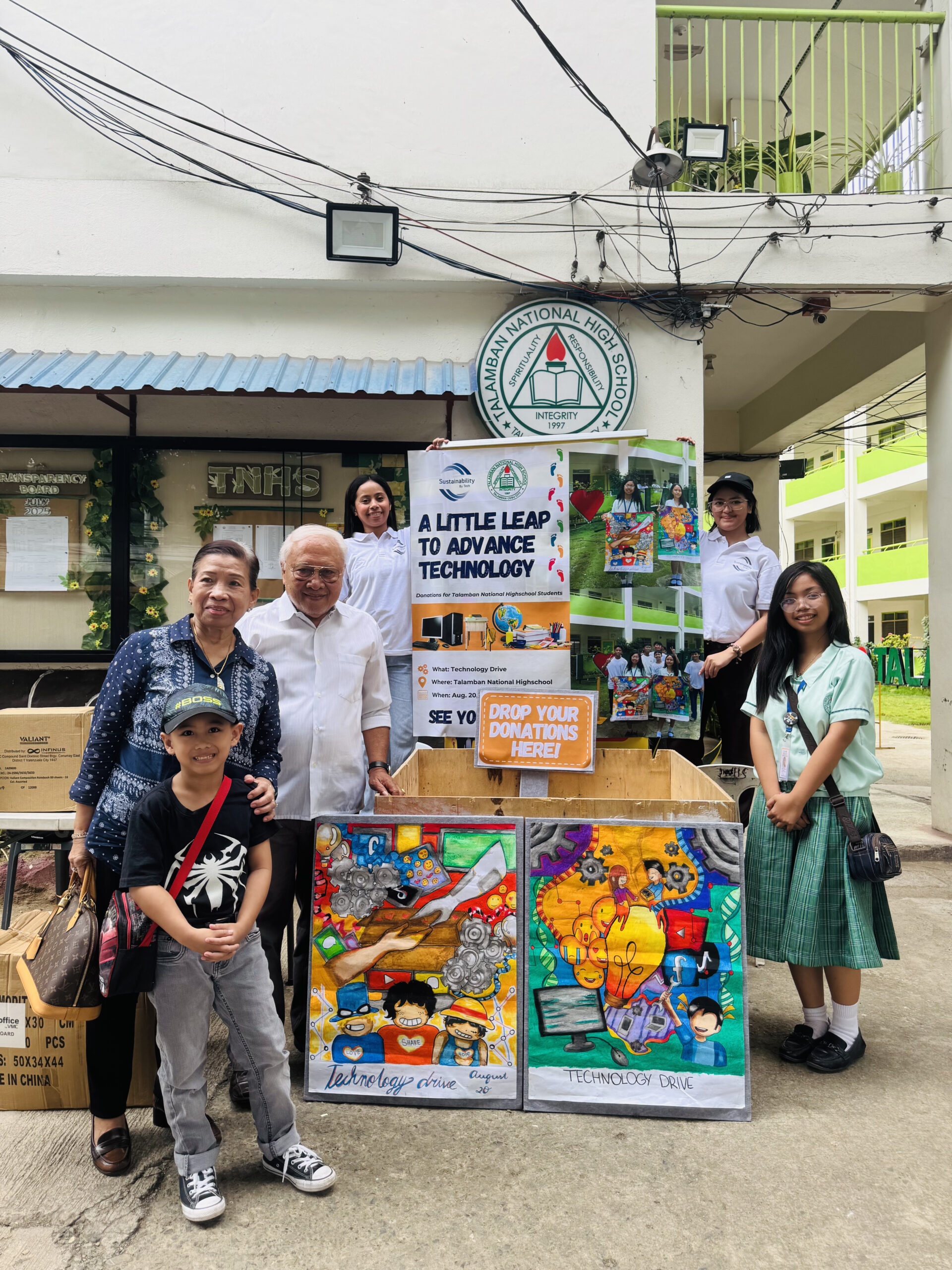
Our work with schools has brought together digital access, mentorship, creativity and student ambition. We have seen a computer open a door, a teacher make an unfamiliar subject feel possible and one student’s curiosity change the energy of an entire room.
These experiences taught us that meaningful participation does not begin with expensive equipment. It begins when a question feels close enough to touch, important enough to pursue and open enough for a young person to imagine a different answer.
Water is that question for Tech Oasis. It is the thread between climate and community, nature and technology, personal choices and global systems. Through Water x Planet, we turn that shared human subject into a pathway of Education, Awareness and Innovation.
We create the framework and resources. Schools and educators bring them to life locally. Students add the observations, voices and ideas that no central organisation could create for them. Together, their work becomes a growing international movement of young people learning about water and acting with purpose.
We begin with questions, because curiosity is where lasting learning starts. Young people should be encouraged to observe carefully, ask why and explore more than one possible response.
We distinguish what we know, what we think and what still needs to be tested. Honest limitations are part of good science and responsible communication.
The core experience should not depend on a laboratory, expensive equipment or an expert standing in every classroom. A school should be able to begin with the people, spaces and tools it already has.
Technology is used when it helps students observe, organise, compare, communicate or create. It is a tool, not the purpose of the programme.
Water challenges are experienced differently. Schools should be able to connect the programme to the questions that matter in their own communities.
Students are not only recipients of information. Their questions, communication and ideas deserve to be taken seriously. When young people are trusted with meaningful work, learning becomes something they can carry into the world.
Why water
Water is never only about water. It reveals how communities live, how ecosystems thrive, how climate is changing and how opportunity is shared. To understand water is to see the world as one connected system and to recognise that our lives are held within it.
Climate change is often experienced through water: too much, too little, at the wrong time or in the wrong place. Floods, droughts, storms, changing rainfall and rising seas make water one of the clearest ways to understand a changing climate.
Clean water and safe sanitation shape health, dignity and everyday life. Water that looks clear is not necessarily safe, making scientific understanding and honest communication essential.
Rivers, lakes, wetlands, groundwater, coastlines and oceans support extraordinary ecosystems. Water carries the effects of decisions across neighbourhoods, landscapes and borders.
Water influences food, farming, education, energy, industry and the time people can devote to work and learning. A water challenge is rarely only an environmental issue.
Technology can help us observe patterns, organise evidence, communicate across distance and test ideas. Sometimes it may be a camera, a spreadsheet or a digital map. In other situations, students may explore sensors, coding, engineering or artificial intelligence.
We do not use technology merely because it sounds advanced. Students learn to ask what a tool can reveal, whether the evidence is reliable, who may benefit and what the tool cannot tell us.
Our goal is not simply to produce more technology, but to use knowledge and tools in service of a better water future.